Excellence Over Perfection: Rules for Real Behaviour Change
How Stanley Bronstein rebuilt his health with a simple daily standard, and a mindset shift that actually sticks.
Watch The Full Episode Here
〰️
Watch The Full Episode Here 〰️
TL;DR
Why “excellence” beats perfection for long-term health habits
How to build discipline when motivation disappears
The simplest standard Stanley teaches: 20 minutes of walking, every day
A practical way to step off “autopilot” and become more intentional
Why protecting your goals (and your environment) matters more than willpower
🎧 Available on Spotify, Apple Podcasts, YouTube or wherever you listen to your podcasts.
Introduction
Most people don’t fail because they “don’t want it enough.” They fail because they try to change their life while keeping the same identity, the same environment, and the same decision-making patterns that created the problem in the first place.
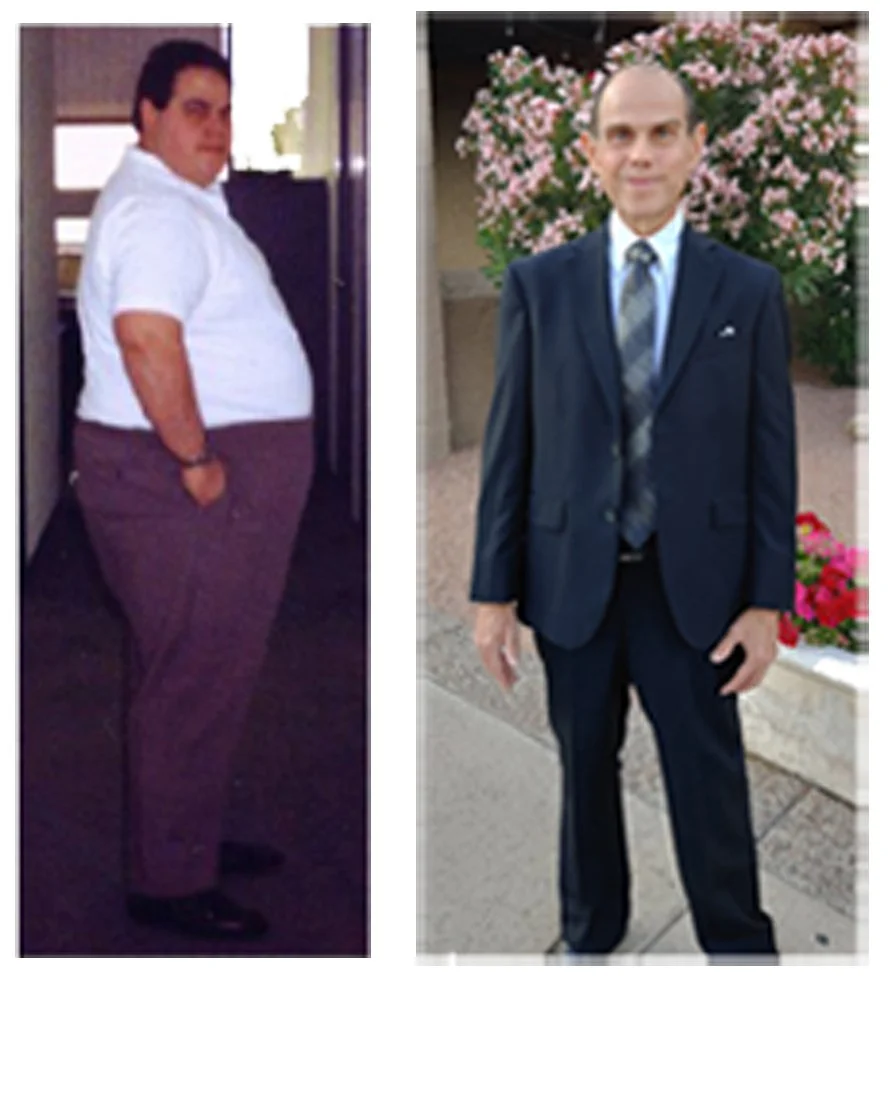
In this episode, I sat down with Stanley F. Bronstein, attorney, CPA, author, and creator of The Way of Excellence. Stanley also has a transformation story that stops you in your tracks: he went from 367 pounds to around 145, without drugs or surgery, and he’s walked more than 72,000 miles over the last 17 years.
What I liked about this conversation is that it’s not a hype-fest. It’s a practical look at what real behaviour change requires: honest self-assessment, a long-term mindset, personal responsibility, and simple daily actions that compound. We also spoke about the difference between perfection and excellence, why “commitment” removes decision fatigue, and one of my favourite lines from the episode: don’t share your goals with trolls.
If you want ideas you can actually use today, not “perfect plan” theory, this one delivers.
“The goal is not perfection. The goal is excellence.” - Stanley Bronstein
“The three most important words… are you willing?” - Stanley Bronstein
Listen on Apple
〰️
Listen on Apple 〰️
Listen on Spotify
〰️
Listen on Spotify 〰️
Lesson 1: Excellence Over Perfection for Sustainable Behaviour Change
What It Is: Excellence means “good enough, consistently.” Perfection means “never good enough, so you stop.”
Why It Matters: Perfectionism creates all-or-nothing thinking. Excellence creates momentum. When you aim for excellence, you can keep going even after a messy day, which is how real change happens.
How To Apply It:
Pick one health habit you’ve been trying to do “perfectly” (food, training, sleep).
Define what “excellent” looks like for this week (simple, realistic, repeatable).
Remove the pass/fail language. Replace it with “Did I show up?”
Track consistency, not intensity (days done beats days smashed).
When you slip, treat it like data: “What happened?” not “What’s wrong with me?”
Pro Tip: If your plan requires you to be perfect to succeed, it’s not a plan, it’s a trap.
Try This Today: Write one sentence: “Excellent for me this week is ______.”
Lesson 2: Build Discipline by Committing, Not Negotiating
What It Is: Discipline isn’t punishment. It’s eliminating the need to debate with yourself. Stanley’s point was simple: when you’re truly committed, you stop asking “Should I?” every day.
Why It Matters: Motivation is unreliable. Commitment reduces decision fatigue (that mental drain from constantly negotiating with yourself). When the rules are clear, follow-through gets easier.
How To Apply It:
Choose one non-negotiable for the next 14 days (keep it small).
Decide your rule in plain language (example: “I walk every day.”).
Make it measurable (time, distance, or minimum standard).
Remove “maybe” triggers: set your shoes out, block the time, plan the route.
If you miss a day, don’t spiral, restart immediately (no shame tax).
Pro Tip: If you keep “leaving room” for excuses, you’ll take it when life gets busy.
Try This Today: Decide one rule you’ll follow tomorrow, no matter what.
“When you become 100% committed… you stop asking questions about it.” - Stanley Bronstein
Lesson 3: Use a Simple Walking Standard (20 Minutes a Day)
What It Is: Stanley teaches a minimum walking standard most people can do: 20 minutes a day, every day.
Why It Matters: Walking lowers the barrier to entry. It’s accessible, low-impact, and it doubles as a thinking tool, a way to get out of your own head and back into your life.
How To Apply It:
Start with 20 minutes, not 60 (make it embarrassingly doable).
Link it to an existing habit: after breakfast, after work, after dinner.
If you’re time-poor, split it into two 10-minute walks.
Use the walk for reflection (see Lesson 4) instead of scrolling.
Track streaks lightly (aim for consistency, not perfection).
Pro Tip: Don’t wait until you “feel like it.” Walking is the cure for not feeling like it.
Try This Today: Put a 20-minute walk in your calendar for tomorrow.
“If you walk 20 minutes a day… you meet some very interesting people… the most interesting person… yourself.” - Stanley Bronstein
Lesson 4: Step Off Autopilot with Daily Awareness and Time Tracking
What It Is: “Autopilot” is when days happen to you. Awareness is when you choose how you spend your time and energy. Stanley’s practical suggestion: list how you spend your time and review it.
Why It Matters: Most people aren’t failing from lack of knowledge. They’re losing their days to default habits, screens, stress loops, reactive routines. Awareness gives you choice.
How To Apply It:
At the end of today, write down what you actually did (5 minutes).
Estimate time spent on each item (rough is fine).
Circle one “time leak” (doom scrolling, random snacking, late-night TV).
Replace it with one “quality activity” (walk, prep food, early bedtime).
Repeat for 7 days and look for patterns (not perfection).
Pro Tip: You can’t change what you refuse to measure (even loosely).
Try This Today: Make a quick list: “Today I spent time on ____.”
Lesson 5: Protect Your Environment (and Don’t Share Goals with Trolls)
What It Is: Your environment includes people, food in the house, and the conversations you allow. Stanley’s line was clear: share goals wisely, and don’t share them with people who undermine you.
Why It Matters: Behaviour change is hard enough without drag from the outside. The wrong environment turns every habit into a battle. The right environment makes the “good choice” the easy choice.
How To Apply It:
Identify one person or situation that consistently pulls you off track.
Decide your boundary: less time, less detail, less access.
Replace “I have to” with “I get to” (it changes the emotional tone fast).
Stock your environment for success (healthier snacks visible, junk less available).
If you live with others, aim for “supportive enough,” not perfect alignment.
Pro Tip: Protecting your goals early is not rude, it’s wise.
Try This Today: Choose one goal you’ll keep private until you’ve built momentum.
“Don’t share your goals with trolls.” - Stanley Bronstein
Mini Case/Example (optional)
Stanley shared a story about meeting Peggy Chun, an artist living with Lou Gehrig’s disease (ALS). She couldn’t walk, yet she had deep joy for life and even found ways to keep creating. The takeaway wasn’t guilt. It was perspective: if you can take the walk, it’s a privilege, not a burden.
“I don’t have to walk… I get to walk.” - Stanley Bronstein
Quick Wins Checklist (Do These Today)
Write your “excellent for this week” standard (one sentence).
Schedule a 20-minute walk for tomorrow.
Do a 5-minute time audit: what did you actually spend your day on?
Pick one non-negotiable for the next 14 days (keep it small).
Remove one friction point (shoes out, route planned, calendar blocked).
Decide one boundary: who doesn’t need access to your goals right now?
Closing Insight
Real change isn’t about finding the perfect plan. It’s about becoming the kind of person who follows through, even when life is loud, work is busy, and motivation is missing. Stanley’s story is extreme in results, but the method is surprisingly simple: tell the truth, play the long game, choose commitment over negotiation, and set a minimum daily standard you can repeat. If you can walk 20 minutes a day and pay attention to how you spend your time, you can start steering your life again. Excellence is available to you right now, not when things calm down, but because they haven’t.
🎧 Available on Spotify, Apple Podcasts, YouTube or wherever you listen to your podcasts.
Watch me on YouTube
Listen to the True From Podcast:
Apple Podcast -
https://podcasts.apple.com/au/podcast/the-true-form-podcast/id1593804496
Spotify -
https://open.spotify.com/show/6RVH2O6MbLOCohBKPhXO0L?si=ZI8D3MnhSfSjnohSXYN_MQ
Everywhere els -