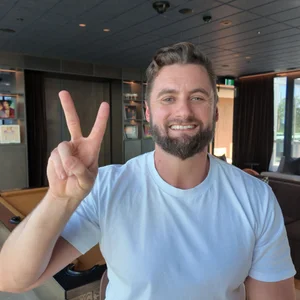
How EFT Tapping Helps Anxiety, Stress and Chronic Pain
What if the tension in your body is not random, but a signal , and learning to listen could help you calm anxiety, reduce stress and change how you respond?
Watch On YouTube
〰️
Watch On YouTube 〰️
TLDR
EFT tapping is a body-based tool that combines attention, breath and gentle tapping to help calm stress and anxious patterns.
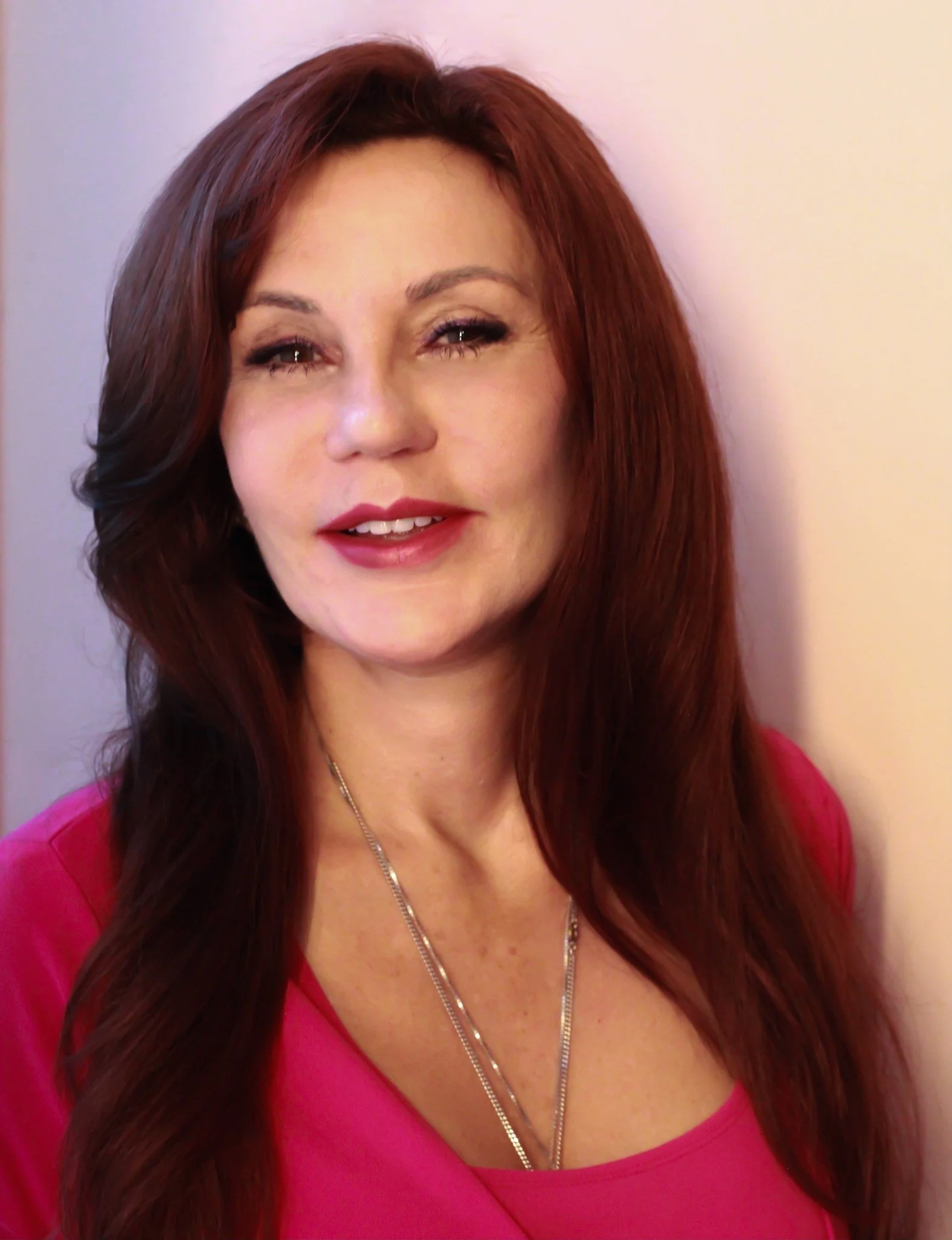
In this episode, Sophia Torrini shares how unresolved emotional patterns, stress and body tension can become linked over time.
A big takeaway is that change often starts in the body, not just in the mind.
The episode explores practical tools like slow belly breathing, noticing physical sensations early, and interrupting spirals before they take over.
If you often feel stuck in stress, tension, anxiety or recurring body pain, this conversation offers a new lens and a few simple starting points.
🎧 Available on Spotify, Apple Podcasts, YouTube or wherever you listen to your podcasts.
Introduction
Most people try to think their way out of stress.
They tell themselves to calm down. They try to “be more positive”. They listen to a podcast, read a book, save a few notes on their phone, and promise that this time they’ll finally do things differently. But when anxiety hits, or tension starts building in the body, all that good information can disappear fast.
That is one of the reasons this conversation with Sophia Torrini stood out to me.
Sophia is a clinical EFT practitioner who shared her story of living with chronic health issues for years after a traumatic medical experience, and how she eventually found relief through body-based emotional work, EFT tapping, breathwork and nervous system regulation. Whether you agree with every part of her worldview or not, the core message is hard to ignore: the body is not separate from stress, emotion and healing.
From my point of view, this episode matters because it speaks to something I see all the time in fitness and health. People often know what to do, but they still struggle to follow through. They want to train, sleep better, eat well and feel calm, but stress keeps showing up in the body and getting in the way. This episode explores why that happens, and what we can do about it.
Listen On Apple Podcast
〰️
Listen On Apple Podcast 〰️
Listen On Spotify
〰️
Listen On Spotify 〰️
Lesson 1: Anxiety often starts as a body signal, not just a thought
What It Is: Anxiety is often treated like a mental problem, but in this episode Sophia describes it as a body-first experience. Before the spiral of thoughts kicks in, there is often a physical sensation; tightness, pressure, heat, a knot, or a rush through the body.
Why It Matters: If you only notice anxiety once your thoughts are racing, you are already late in the cycle. But if you learn to catch the body signal earlier, you have a better chance of interrupting the pattern before it takes over. That can help you make better decisions, stay more grounded and avoid hours of rumination.
How To Apply It:
The next time you feel stressed, pause and ask, “Where do I feel this in my body?”
Name the sensation in plain language: tight chest, clenched jaw, knot in stomach, buzzing arms.
Avoid jumping straight into the story about why it is happening.
Spend 30 to 60 seconds just breathing and observing the sensation.
Treat the sensation like information, not proof that something is wrong with you.
Pro Tip: The earlier you catch the physical signal, the easier it is to stop the spiral.
Try This Today: Set a reminder on your phone twice today that says, “What is my body feeling right now?”
Lesson 2: Breath can be a fast pattern interrupt for stress and anxiety
What It Is: A pattern interrupt is a simple action that helps stop a stress loop before it builds. In the episode, Sophia repeatedly comes back to slow belly breathing as a practical first step, especially a four-in, hold-two, six-out rhythm.
Why It Matters: When you are anxious, your body often shifts into a high-alert state. In that state, clear thinking becomes harder. Slow breathing gives your body a different signal. It does not solve every problem, but it can reduce the intensity enough to help you respond rather than react.
How To Apply It:
Inhale through your nose for 4 seconds.
Hold for 2 seconds.
Exhale slowly for 6 seconds.
Repeat for 2 to 3 rounds.
Make sure the breath goes into your belly, not just your chest.
Use it in real life: before a meeting, in the car, at your desk, or when you feel yourself spiralling.
Pro Tip: A longer exhale is the key part. It helps signal to the body that the threat is coming down.
Try This Today: Before your next coffee, email or workout, do two rounds of 4-2-6 breathing first.
Lesson 3: EFT tapping gives stress a physical outlet
What It Is: EFT stands for Emotional Freedom Techniques. In the episode, Sophia describes it as a somatic method, meaning body-based, that combines attention, simple language and tapping on points of the body while acknowledging what you feel.
Why It Matters: One reason people stay stuck is that they talk about stress without actually processing it. They keep feeding the same loop. EFT tapping offers a structured way to slow down, notice what is happening, and create a different response. In the episode, we even did a live demo using tightness in my calf, and the shift was noticeable.
How To Apply It:
Start by identifying one clear sensation or emotion, such as “tightness in my shoulder” or “this anxious feeling”.
Rate the intensity from 1 to 10.
Begin with a simple statement that acknowledges what is true right now, such as: “Even though I feel this tightness, I’m safe right now.”
Tap gently while repeating short phrases that describe the sensation or feeling.
Pause, breathe, and check whether the intensity has changed.
If it has softened, follow it with a calmer statement, image or memory.
Pro Tip: Keep the language simple and honest. You do not need perfect wording for it to help.
Try This Today: Use one sentence only: “Even though I feel stressed, I’m safe right now.”
Lesson 4: Stress gets in the way of health habits more than people realise
What It Is: One of the most useful parts of the conversation was not just about anxiety. It was about behaviour change. Sophia’s point was that people often fail to follow through on exercise, better eating or recovery not because they lack information, but because another stress-based pattern is running underneath.
Why It Matters: This matters a lot in fitness. Someone can say they want to go to the gym, eat better or lose weight, but when the moment comes, the body throws up resistance. They feel tired, flat, overwhelmed or unmotivated. If they do not understand that stress response, they assume they are lazy or broken. That usually makes things worse.
How To Apply It:
Notice the moment your motivation drops.
Ask what changed in your body between “I want to do this” and “I can’t be bothered”.
Look for the sensation first, not the excuse.
Use a quick reset: two slow breaths, a short walk, gentle tapping or simple movement.
Lower the barrier. Do 10 minutes instead of skipping the whole session.
Focus on building a safer, more positive relationship with the habit.
Pro Tip: Do not wait until you “feel like it”. Build a bridge from stress to action.
Try This Today: The next time you want to skip something healthy, do just 5 minutes before making the final call.
Lesson 5: Body tension may be carrying a message
What It Is: A major theme in the episode is that recurring tension, pain or stress in the body may be linked to emotional patterns, not just physical mechanics. Sophia uses this lens to explain why some symptoms seem to hang around even when people are doing the “right” things.
Why It Matters: This does not mean every pain issue is purely emotional. But it does invite a useful question: am I only trying to fix this physically, or am I also looking at stress, emotion, pressure, frustration and the way my nervous system is responding? For many people, that extra layer matters.
How To Apply It:
Pick one recurring area of tension in your body.
Describe it clearly: where it is, what it feels like, when it tends to show up.
Notice what is happening in your life when it flares up.
Ask, “What usually comes before this?” Work stress, conflict, hurry, pressure, poor sleep?
Pair your normal physical care with one calming practice, such as breath, tapping or quiet reflection.
Track what happens for two weeks instead of guessing.
Pro Tip: Sometimes the useful question is not “How do I get rid of this?” but “What is this linked to?”
Try This Today: Write down one body symptom and one stressful pattern that tends to sit beside it.
Lesson 6: You cannot build a new life on top of an old stress loop
What It Is: One of the strongest ideas in this episode is that people often try to create change with the mind alone. They think harder, plan more, set more goals, and push themselves more. But if the body is still stuck in an old loop, the new plan struggles to stick.
Why It Matters: This explains why someone can want calm, confidence or consistency, but still keep snapping back into hustle, avoidance or fear. If you want to change how you live, work, train or show up, you may need to change your state first. That means creating safety, calm and regulation in the body, not just motivation in the mind.
How To Apply It:
Identify one pattern you keep repeating, overworking, spiralling, avoiding, freezing or reaching for food.
Stop judging the pattern as a character flaw.
Look at what state your body is usually in when the pattern appears.
Choose one body-based tool you can use daily for a week: slow breathing, tapping, walking, gentle bouncing, stretching.
After the reset, replace the old pattern with one small action that matches the person you want to become.
Repeat the sequence often enough that the new response feels familiar.
Pro Tip: Change becomes easier when the body no longer treats the new behaviour like a threat.
Try This Today: Before your next important task, calm your body first, then begin.
Mini Case/Example
“Anxiety is actually old programming you’re running. There’s nothing wrong with you.” - Sophia Torrini
“Most people try to think their way out of anxiety. But what if the body has to be part of the healing too?” - Jack Graham
“The body is sending you a message and it wants you to hear it.” - Sophia Torrini
“It’s not necessarily about the information. It’s about the purpose, the want, the need.” - Jack Graham
Quick Wins Checklist (Do These Today)
Do two rounds of slow belly breathing using a 4-2-6 rhythm.
Catch one stress signal in your body before it becomes a full mental spiral.
Replace “What’s wrong with me?” with “What am I feeling right now?”
If you feel tension building, name the sensation before you explain it.
Use one simple tapping phrase: “Even though I feel this, I’m safe right now.”
Do 5 minutes of movement instead of waiting for perfect motivation.
Closing Insight
This episode reminded me that lasting change is rarely just about better information. Most people already know they should sleep more, move more, breathe more deeply and calm down before reacting. The hard part is doing it when stress is already running the show. That is why body-based tools matter. Whether you use EFT tapping, slow breathing, walking, stretching or another practice, the bigger lesson is the same: if you want to change your patterns, you need to work with your body, not just your thoughts. That does not make the process instant, but it does make it more human, more practical and often more effective.
Listen to the full episode: Available on Spotify, Apple Podcasts, YouTube or wherever you listen to your podcasts.🎧 Available on Spotify, Apple Podcasts, YouTube or wherever you listen to your podcasts.
Watch me on YouTube
Listen to the True From Podcast:
Apple Podcast -
https://podcasts.apple.com/au/podcast/the-true-form-podcast/id1593804496
Spotify -
https://open.spotify.com/show/6RVH2O6MbLOCohBKPhXO0L?si=ZI8D3MnhSfSjnohSXYN_MQ
Everywhere els -