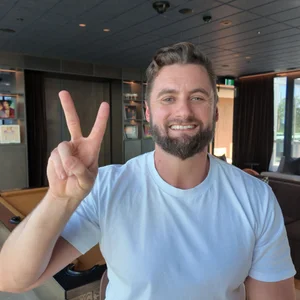
The Missing Piece in Your Health
Why emotional, mental and subconscious health may matter just as much as fitness, food and sleep.
Watch On YouTube
〰️
Watch On YouTube 〰️
TL;DR
This episode explores why physical health is only one part of the picture, and why many people still feel stuck even when they are “doing everything right”.
Paul Quinton shares a framework that looks at health through four layers: physical, emotional, mental and soul.
A big theme of the conversation is that recurring pain, anxiety and unhealthy patterns may be signals to get curious, not just symptoms to suppress.
The episode also highlights practical ways to slow down, use breathwork, observe your internal state and start asking better questions.
For me, the conversation reinforced something I’ve come to believe more and more: real health is not just about training harder. It is also about understanding what is happening underneath the surface.
🎧 Available on Spotify, Apple Podcasts, YouTube or wherever you listen to your podcasts.
Introduction
Most people think health is simple: train hard, eat well, sleep more, repeat.
And to be fair, those things matter. I have built a big part of my life and work around helping people get stronger, move better and feel healthier. But over time, I started noticing something I could not ignore. Some people were doing all the “right” things and still felt flat, anxious, stuck or in pain. That question sits at the heart of this conversation with Paul Quinton.
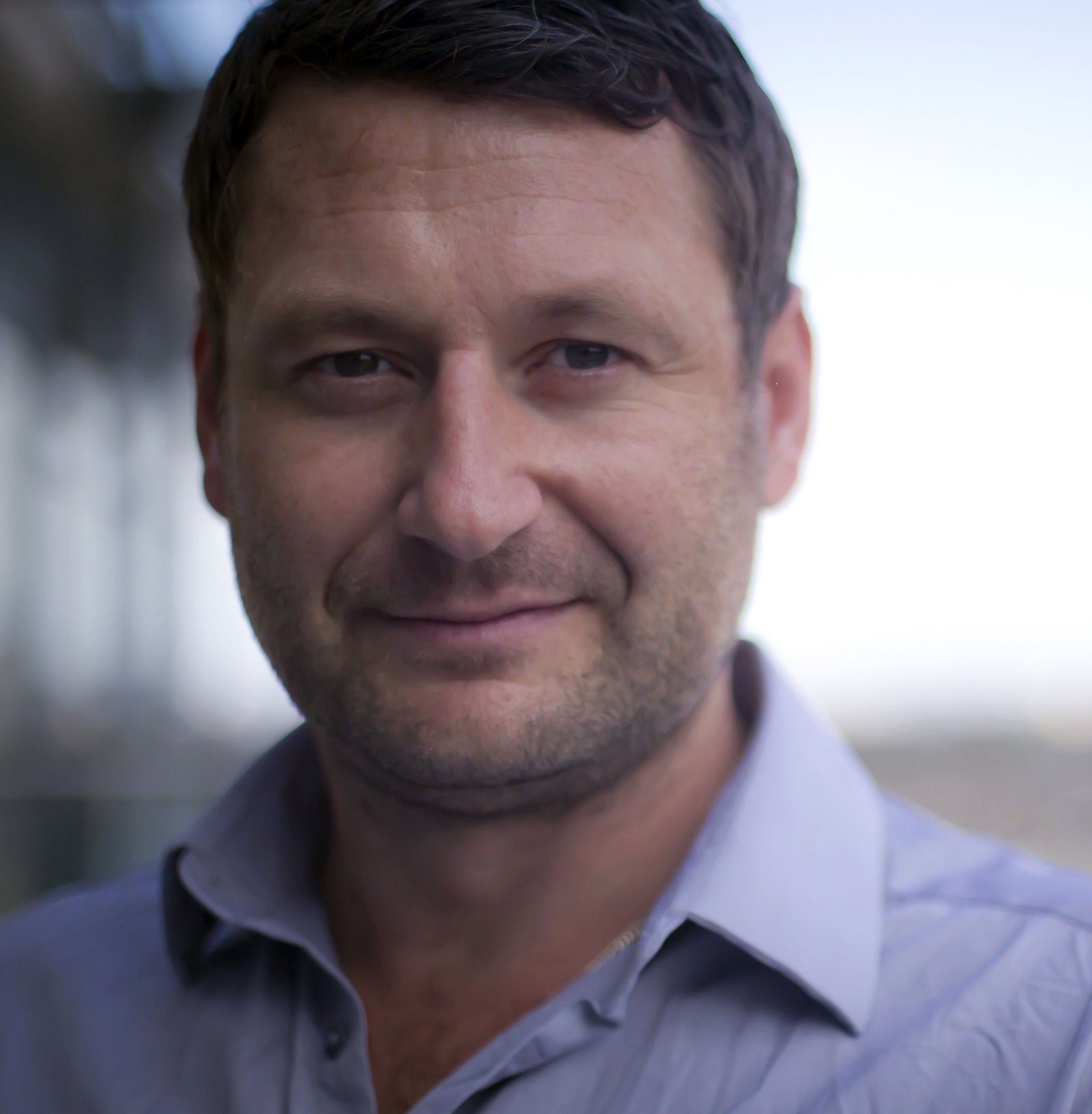
Paul is a spiritual coach, mentor, teacher and channel who grew up in a family of psychics and healers. He has spent more than two decades working in this space, helping people explore the emotional, mental and spiritual side of healing. In this episode, we talk about reality beyond the physical, recurring emotional patterns, ancestral conditioning, manifestation, breathwork and why so many people are exhausted by surface-level solutions.
Listen On Apple Podcast
〰️
Listen On Apple Podcast 〰️
Listen On Spotify
〰️
Listen On Spotify 〰️
Lesson 1: Physical health is only part of the picture
What It Is: Paul describes health as a “four body system”: physical, emotional, mental and soul. His point is simple. If you only work on the physical body, you may be ignoring other parts of yourself that affect how you feel and function.
Why It Matters: This matters because many people chase better health by focusing only on exercise and nutrition. That can help, but it may not fully solve recurring stress, self-sabotage, anxiety or emotional exhaustion. If your health plan only addresses one layer, it can feel like you keep working hard without getting to the real issue.
How To Apply It:
Do a quick self-check across four areas: body, emotions, thoughts and sense of purpose.
Ask yourself where you feel strongest right now and where you feel most neglected.
If you already train hard, spend equal time noticing how you feel emotionally.
Pay attention to the way you speak to yourself during stress, not just how you behave.
Start treating health as a whole-person project, not just a body project.
Pro Tip: The physical body is still important. The point is not to replace it, but to widen the lens.
Try This Today: Write down one sentence for each area: physical, emotional, mental and purpose. Notice which one is hardest to answer.
Lesson 2: Recurring pain and patterns are worth getting curious about
What It Is: One of Paul’s main messages is that recurring patterns, pain and emotional reactions are not random. He encourages people to get inquisitive instead of staying stuck in blame, fear or frustration.
Why It Matters: When you only react to symptoms, you often stay in the same cycle. Whether it is anxiety, repeated relationship patterns, low self-worth or even stubborn pain, curiosity can create enough space to ask a better question: why does this keep happening? That shift alone can move you from survival mode into learning mode.
How To Apply It:
Pick one issue that keeps repeating in your life.
Stop asking, “Why is this happening to me?” and ask, “What is this trying to show me?”
Notice your first reaction without acting on it.
Write down any patterns linked to people, places, stress or old memories.
Look for themes, not just single events.
Keep the question open for a few days instead of forcing an answer.
Pro Tip: Curiosity works better than self-judgement. You do not need to shame yourself into change.
Try This Today: Finish this sentence in a notebook: “The pattern I am most tired of repeating is…”
Lesson 3: Breath work can help you slow down and listen
What It Is: Paul talks about breathwork as a way to become still, settle the nervous system and step outside your usual mental narrative. In plain language, that means using breathing to calm down enough to notice what is really going on.
Why It Matters: When your mind is racing, it is hard to think clearly or feel anything other than stress. Breathwork gives you a practical entry point. It does not require a perfect routine or special setup. It simply helps create enough space to observe what you are carrying instead of constantly reacting to it.
How To Apply It:
Sit somewhere quiet for two to five minutes.
Take slow, deep breaths and make the exhale longer than the inhale.
Let your attention follow the sound and feeling of the breath.
Bring one emotion or issue to mind without building a story around it.
Ask gently, “Why is this here?” and then keep breathing.
Stay open to what comes up later through reflection, conversation or insight.
Pro Tip: Do not worry about doing it perfectly. The goal is not performance. The goal is presence.
Try This Today: Before bed, do two minutes of slow breathing with your phone on silent.
Lesson 4: Your emotions may be driving more than you realise
What It Is: A central theme in this episode is that unprocessed emotion does not simply disappear. Paul argues that when emotions are constantly denied, they can influence the mental body, the physical body and the way people move through life.
Why It Matters: This matters because many people are high-functioning on the outside and struggling underneath. They keep pushing, achieving and coping, but never really dealing with what is unresolved. Over time, that can show up as burnout, numbness, anxiety, resentment or a constant sense that something is off.
How To Apply It:
Notice the emotion you avoid most often: anger, sadness, fear, shame or grief.
Catch the ways you numb it: overworking, scrolling, eating, staying busy or shutting down.
Give the emotion a name instead of saying “I’m fine”.
Let yourself feel it in the body without needing to solve it immediately.
Talk to someone safe if the feeling is heavy or overwhelming.
Remind yourself that feeling an emotion is not the same as being controlled by it.
Pro Tip: Suppressing emotion can look productive for a while. That does not mean it is working.
Try This Today: Set a timer for three minutes and write down exactly how you feel, using plain words only.
Lesson 5: Simplicity often beats complexity in healing and behaviour change
What It Is: One of the strongest lines in the episode is Paul saying, “All healing is simple. We as human beings convoluted everything.” His broader point is that people are exhausted, and what many need is not more jargon, rules or over-complicated systems, but a return to the basics.
Why It Matters: This idea lands hard in both health and fitness. It is easy to assume better results require a more advanced plan, more products or more information. But often the opposite is true. If a process is too complex to follow consistently, it usually breaks down. Simple approaches are easier to trust, practise and repeat.
How To Apply It:
Strip your current health routine back to the essentials.
Focus on one simple daily practice you can actually maintain.
Stop adding new inputs for a week: fewer podcasts, fewer hacks, fewer rules.
Ask yourself what basics you already know but are not doing.
Build from consistency first, not complexity first.
Pro Tip: Simple does not mean shallow. It usually means clear.
Try This Today: Choose one basic for the next seven days: walk, breathe, sleep earlier, or eat slower.
Lesson 6: Real change starts below the surface
What It Is: When we moved into manifestation and behaviour change, Paul made the point that the subconscious mind matters. In other words, if your deeper beliefs are not aligned with the future you want, surface-level effort can only take you so far.
Why It Matters: This helps explain why people can start strong every January and still end up back where they began. The actions may be good, but if they are built on old beliefs like “I’m not worthy”, “I always fail”, or “This never lasts”, progress becomes fragile. Lasting change often needs both action and inner work.
How To Apply It:
Pick one goal you care about.
Ask what kind of person you believe you have to be to reach it.
Notice any hidden beliefs that do not match that goal.
Replace vague motivation with honest self-inquiry.
Keep your actions small and repeatable while you work on those deeper beliefs.
Expect resistance. It does not mean you are failing. It often means you are touching something real.
Pro Tip: Big goals often fail when they sit on top of old stories that have never been challenged.
Try This Today: Complete this sentence: “If I’m honest, one belief that may be holding me back is…”
Mini Case/Example
A moment that gave the whole episode weight was when I shared my own experience:
“I was exercising, eating right, probably sleeping correctly, but emotionally I was just a wreck… and then my heart started giving out.” - Jack
Paul’s response brought the episode back to its central idea: that there can be “something more that’s going on” beyond the physical, and that unresolved emotion may play a bigger role in health than many people realise.
A few other lines that stood out:
“Every human being is already perfect, already powerful, you’re just conditioned not to feel it.” - Paul Quinton
“If you’re only focusing on the physical, you’re only helping 25% of yourself.” - Paul Quinton
“All healing is simple. We as human beings convoluted everything.” - Paul Quinton
Quick Wins Checklist (Do These Today)
Do two minutes of slow breathing before bed.
Write down one recurring pattern you are ready to understand better.
Ask yourself whether your current health plan includes emotional health, not just physical health.
Notice one emotion you usually avoid and name it clearly.
Simplify one part of your routine instead of adding something new.
Spend five quiet minutes without music, podcasts or your phone.
Closing Insight
This episode does not ask you to throw away the basics. It asks you to see them in a bigger context. Exercise, nutrition and sleep still matter, but they may not be the whole story. If you keep feeling stuck, flat or disconnected despite doing the right things on paper, it may be time to look deeper. Sometimes the missing piece in your health is not more discipline. It is more honesty, more curiosity and more willingness to listen to what is happening underneath the surface. That is where real change often begins.
🎧 Available on Spotify, Apple Podcasts, YouTube or wherever you listen to your podcasts.
Watch me on YouTube
Listen to the True From Podcast:
Apple Podcast -
https://podcasts.apple.com/au/podcast/the-true-form-podcast/id1593804496
Spotify -
https://open.spotify.com/show/6RVH2O6MbLOCohBKPhXO0L?si=ZI8D3MnhSfSjnohSXYN_MQ
Everywhere els -